
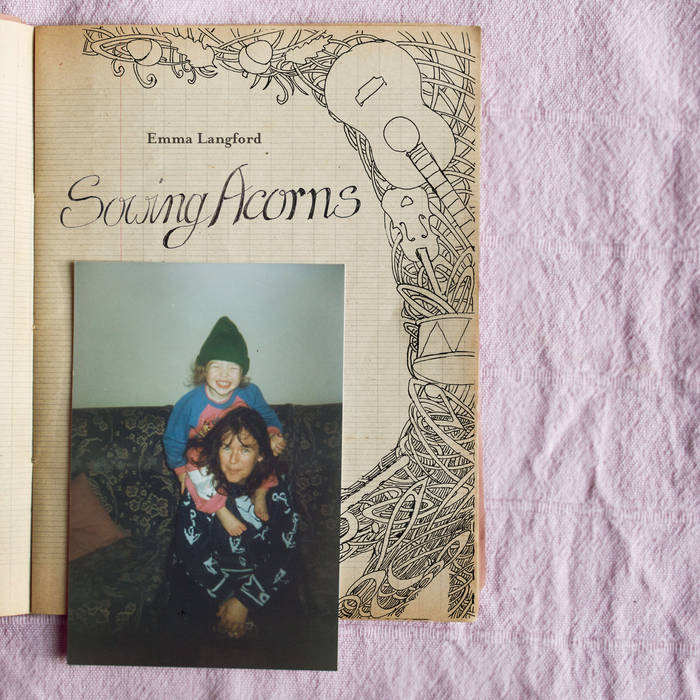

Sowing Acorns is an album that came to me through a relatively unlikely source at a relatively uncertain time. This was the first album that I had heard from the Limerick native, Emma Langford, and I had heard it performed as part of a livestream for Newcastle University as part of their weekly lunchtime concerts. Any other year that I was studying would have meant that I would’ve heard her play in person but alas, covid-19 had halted human interaction at the time. As a fortunate twist on the overarchingly unfortunate effects of the global pandemic, this meant that I was intensely engaged in the performance. Both as a result of a mandate by the faculty to get all students actively involved with performances and as a product of my eagerness to see live performances in a somewhat normal situation, I wrote notes on this performance. I wish I could still find them, though I fear that met the same frightful fate as many of my first-year works. While I may not have the written copy of these words, the impact that it has had a lasting effect on me as a musician and listener. For starters, it resulted in me seeking out this album. What an album!
As the entrance into the album, an opening track often needs to be potent yet consistent with the overall character of the album. On this front, Langford delivers with a haunting commanding chanty called Birdsong. Exemplifying an emotiveness in vocal harmonies that continues throughout the album and a creative use of studio techniques, this track may just be the perfect opener to a folk album. The second track, Sailors Wife, intimately introduces you to the fingerstyle guitar that lays the groundwork for the next three tracks and much of the album. It also showcases the gentler side to Langford’s warm voice and brings in the gliding violin that is at the heart of this album’s sound. Tunes like this illustrate the artistic excellence of Langford and her collaborator’s arrangements, which I fear may be overlooked by many who are forgivably drawn more to the compelling character of her lyric writing.
On the topic of wordsmithing (that is a word), her next two tracks are absolutely ones to listen to. The interchangeability of “he” and “you” in the chorus of He Came from the Sea is an excellent example of how relatable feelings such as struggles and expectations can be subtly used as metaphors that comment on the human condition and appeal to our empathetic nature. I also believe that the personal subject of The Winding Way Down to Kells Bay, illuminated by Langford’s shift to Irish Gaelic part way through*, is a great way to impart relatable emotions into a song. This track is a particular favourite of my brother, whose love of this album possibly even exceeds mine despite him being forcefully prescribed it by myself – a habit I am yet to shake.
If anything, that is surely enough to convince you to listen to the whole album. If not, then I strongly recommend that you drop the needle on these two tracks and listen through to Port Na bPúcaí which seamlessly takes over from The Winding Way Down, offering a cold yet evocative response to the previous track. You won’t regret it.
* (and because I recall her talking about Kells Bay being the place that her late great-uncle stayed/lived)
 Waxing Lyrical