
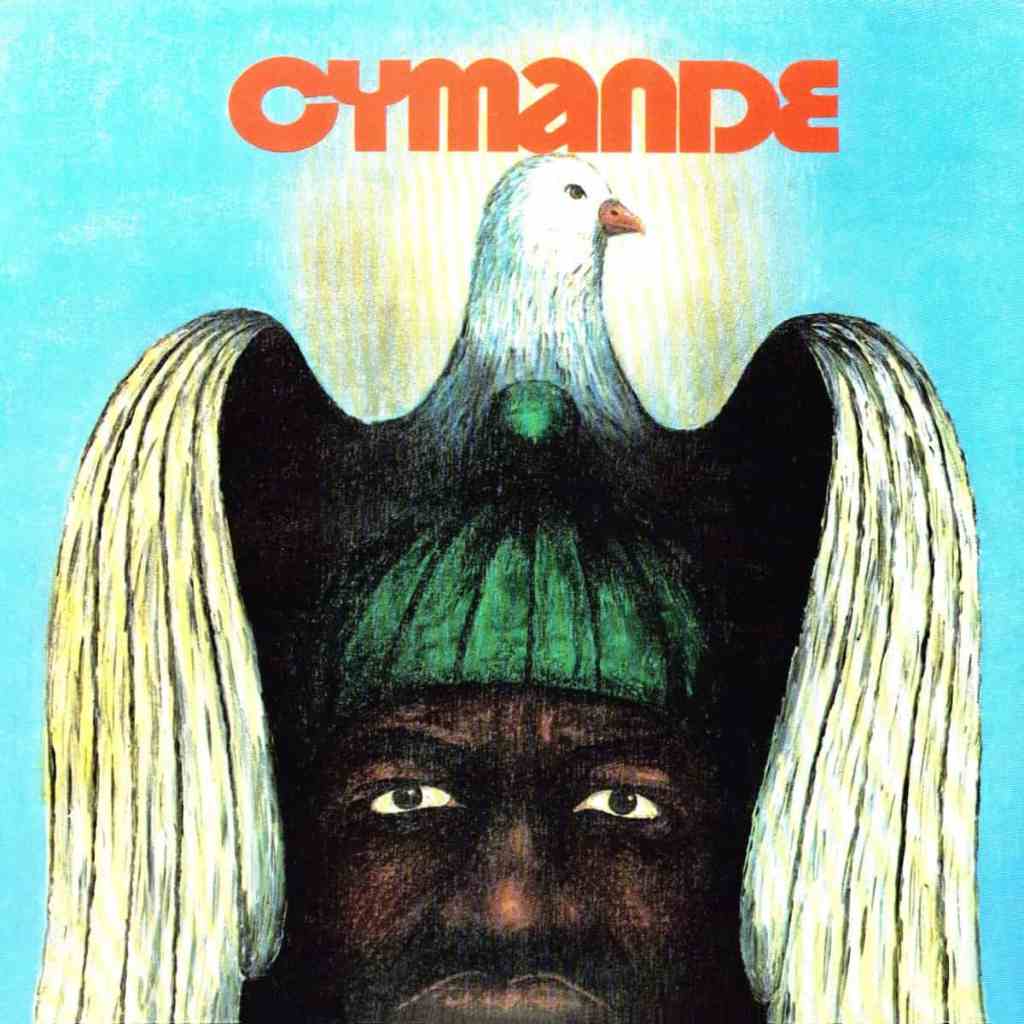

For the second week running, we bring you a self-titled debut record for our Album of the Week. To do so, I’m going back to South London in 1972 – part of the short-lived period that funk group Cymande were making music. Made up of nine Caribbean-born and London-based musicians, their sound encapsulated everything from jazz to soul, reggae to calypso and with plenty of funk and rock.
Although a British band, Cymande drew inspiration from far and wide, and their tracks certainly can’t just be branded as ‘British’ – especially not in the 1970s. They are one of the earliest and best examples of Black British music, and their sound is perhaps more similar to what you’d expect to be emerging from the Black American music scene at the time.
The name Cymande comes from a calypso word for dove, symbolising love and peace. The iconic Cymande album cover is reflective of this, alongside one of the most popular tracks on the album being titled Dove – an exquisite 10-minute track featuring a blistering, extended jazz guitar solo, warm backing vocals, and plenty of percussion to keep things in check.
Cymande were originally active for just three years (1971-1974), and in that time produced three absolute gems of albums. Of course, this week, I’m focussing on their first (and my favourite), but they are all deserving of your time.
Upon its initial release, Cymande, similarly to the group’s other releases in the 1970s, was well-received but only moderately popular in its scene. The group went their separate ways in 1974, following a lack of attention towards their (perhaps ironically named) third album Promised Heights, and the struggles they faced being a Black band in a white world. This is despite their final record including the absolute banger in Brothers on the Slide – which never fails to amaze me.
After this, the group spent decades apart; Cymande’s two primary members, Steve Scipio (bass) and Patrick Patterson (guitar) left the United Kingdom, and led very successful new careers as lawyers in the Caribbean. For seven years, Scipio was the attorney general of Anguilla. It seemed this would be the end of Cymande.
However, whilst the group had disbanded, their music refused to be forgotten. After a period of ambiguity, legendary DJs and dancefloor fillers from Grandmaster Flash to Jazzy Jay began to fall in love with Cymande’s infectious work (Bra was a particular hit) and their diasporic sounds started to echo throughout clubs the 80s and 90s. The band featured on rare groove mixtapes across the US and UK, despite not an awful lot being known about them.
From there, Cymande’s hooks and bass lines worked their way into hip-hop, with De La Soul and The Fugees incorporating elements into their canvases. Cymande became more and more popular, despite not having released any music or played any shows in well over a decade – and without even knowing it.
In 2006, Cymande reunited for a one-off show, before officially reforming in 2010. They’ve toured the world’s biggest stages and, this year, have released a brand new album. It is remarkable to think how easily they could have (unfairly) been left in the 1970s, with only a select few being familiar with their craft. It is thanks to music lovers, DJs, producers and our societal adoration of great music which enabled Cymande to persist, step back away from their lawyering desks, and return to our stages – where they most certainly belong.
 Waxing Lyrical